Registration & Breeding Records
Breed registries record coat color as part of a horse's permanent description. The color listed at registration follows the horse for its entire life.
A horse's coat color is one of the first things people notice and one of the first details recorded. Understanding how to identify and describe color accurately is a fundamental part of working with horses.
Coat color is one of the most consistently used descriptors in the horse world. It appears on registration papers, health certificates, sale listings, emergency records, and in everyday barn conversations. Being able to name a color accurately — not just say "brown" or "dark" — builds clearer communication and stronger horse knowledge.
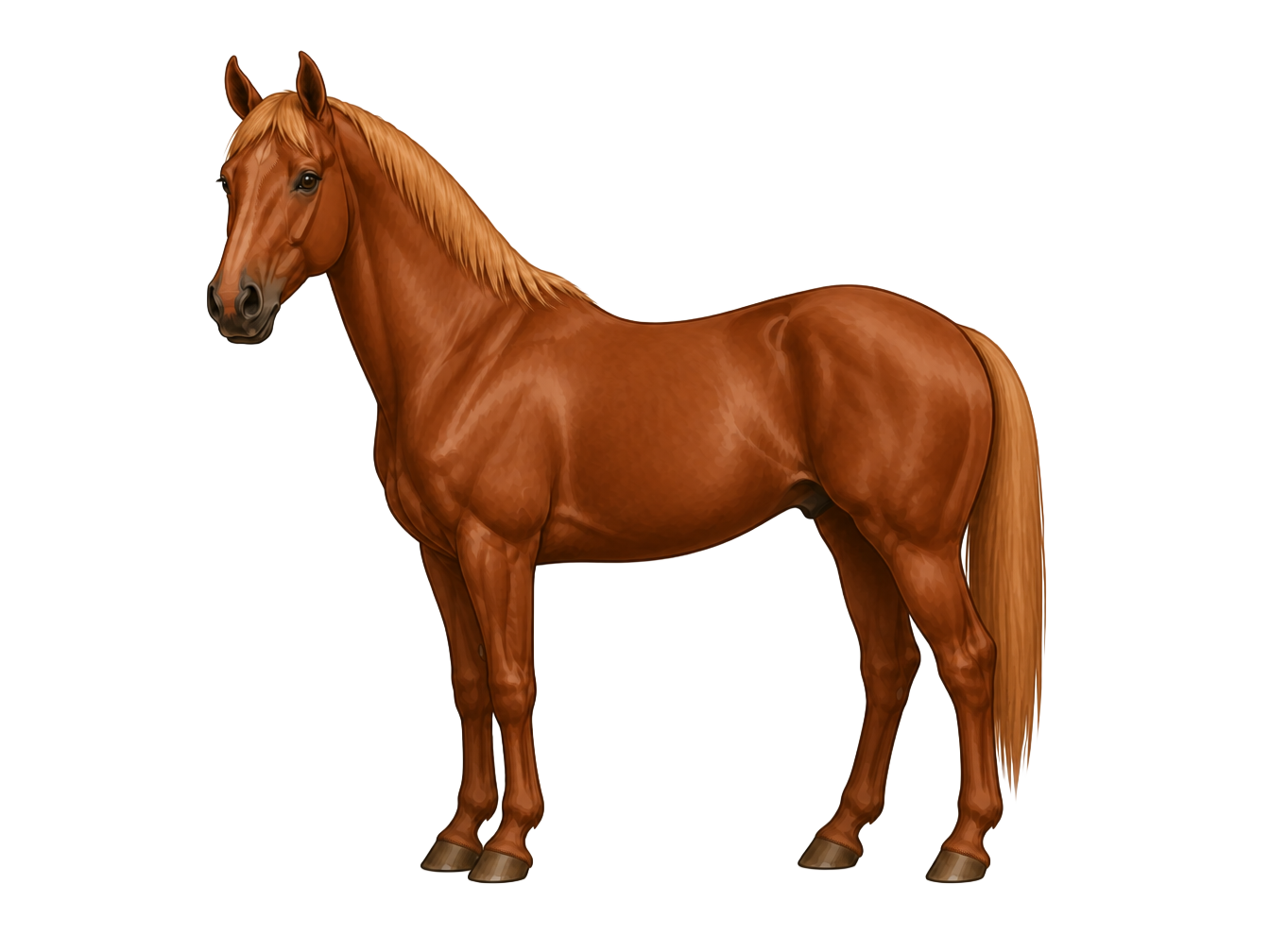
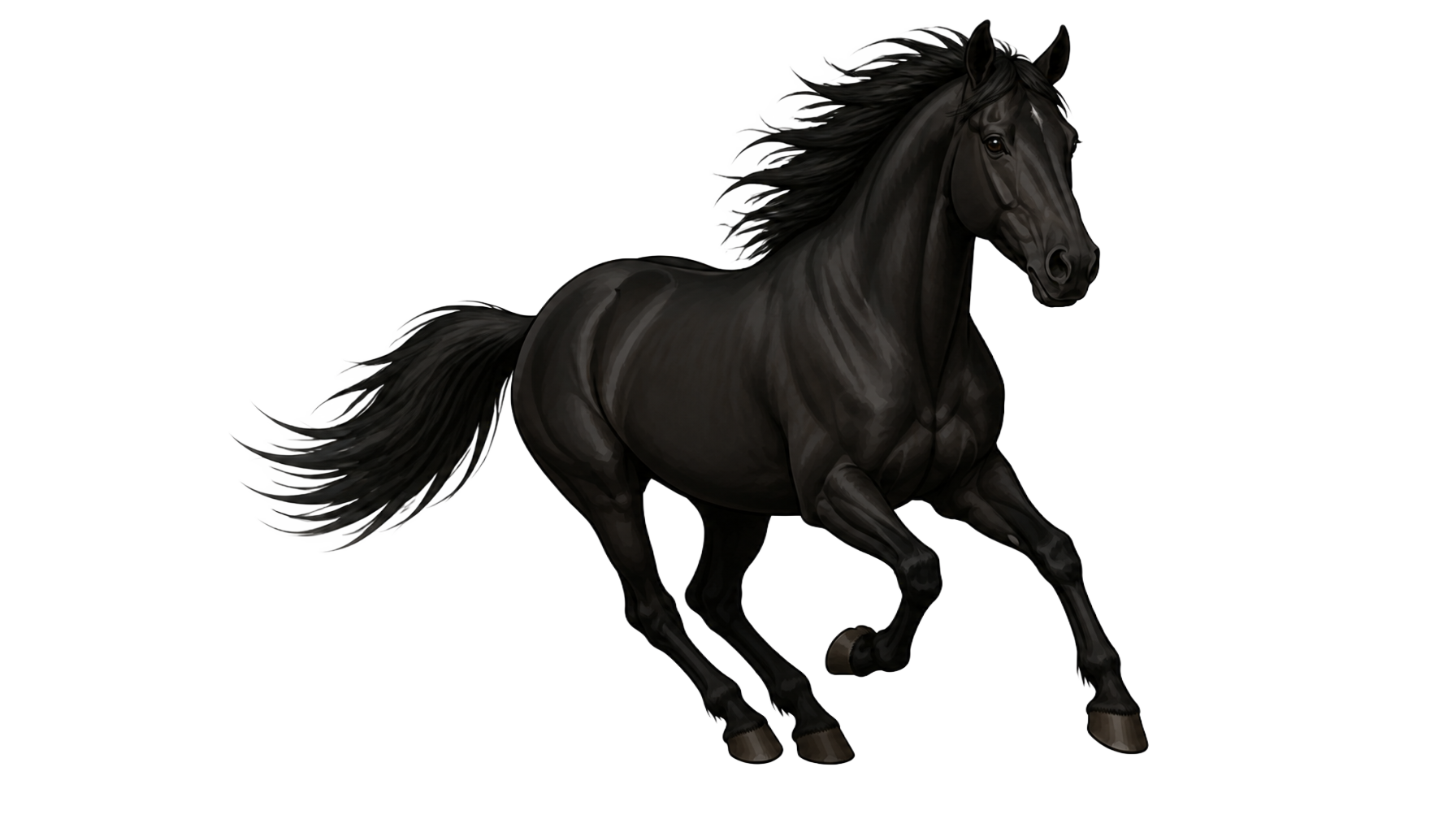
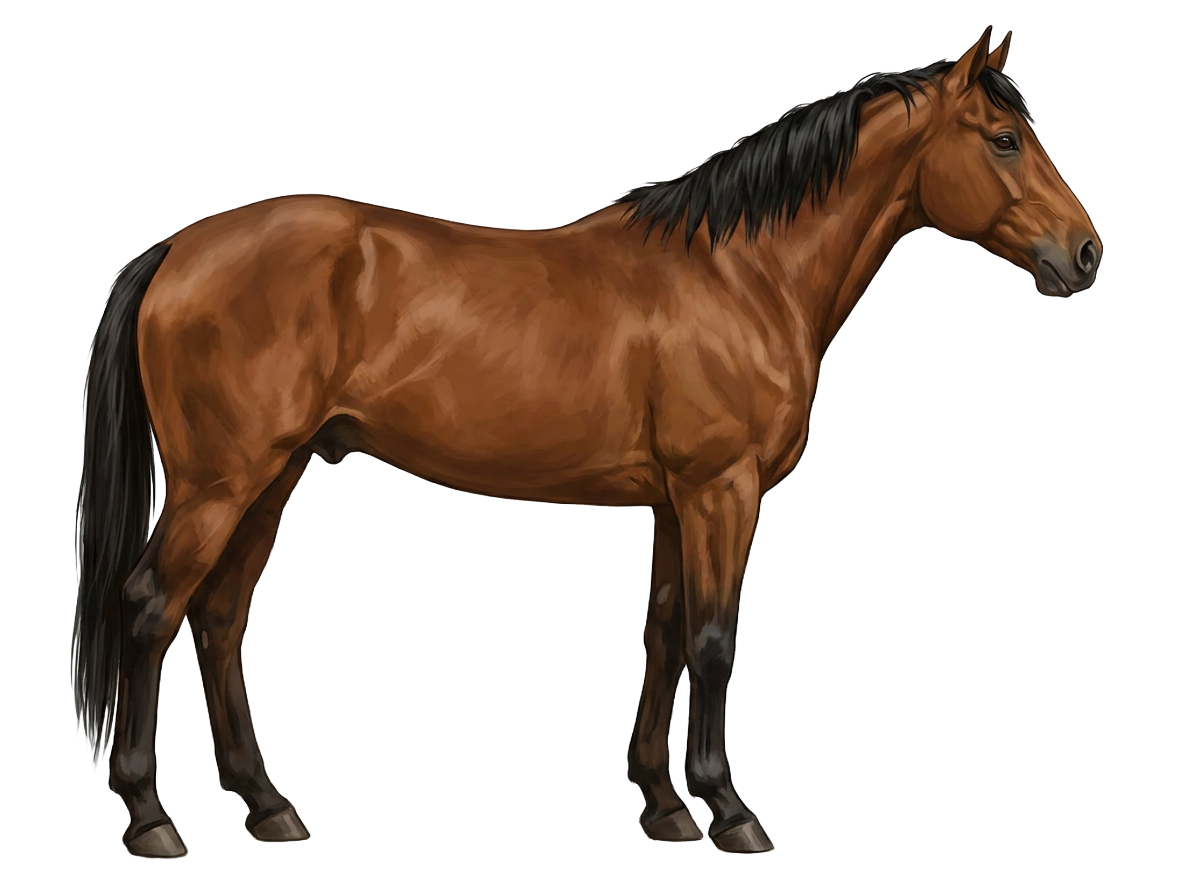
This course focuses on the three base coat colors: chestnut, black, and bay. Every other horse color is a variation, dilution, or pattern built on top of one of these three. Learning them first provides the foundation to understand everything else.
💡 Did You Know
All horse coat colors — from palomino to roan to dun — are modifications of just three base colors. Learning chestnut, black, and bay builds the foundation of every coat color in the horse world.
Each of these situations calls for a precise color description — not just "brown" or "dark horse."
Breed registries record coat color as part of a horse's permanent description. The color listed at registration follows the horse for its entire life.
Health certificates and Coggins tests require a coat color description to help confirm the horse matches its records. An incorrect description can create problems at inspections and crossings.
When a horse goes missing or is involved in an emergency, coat color is one of the most immediate identifiers. Clear, accurate descriptions help others quickly locate and confirm the right animal.
At shows, sales, and in barn records, horses are frequently described by color. Using standard terms makes communication clearer and more professional in any equestrian setting.
A red, copper, or brown-red body with a mane and tail that matches or is lighter — never black. No black points anywhere.
A fully black body, mane, and tail with no red or warm brown tones. The darkest base coat color.
A red or brown body with black mane, tail, lower legs, and ear tips. Those black areas are called black points — the defining feature of bay.
Three colors. Every other color builds from here.