
Registration and Records
Many breed registries record a horse's face markings when the horse is registered. These markings become part of the horse's permanent record.
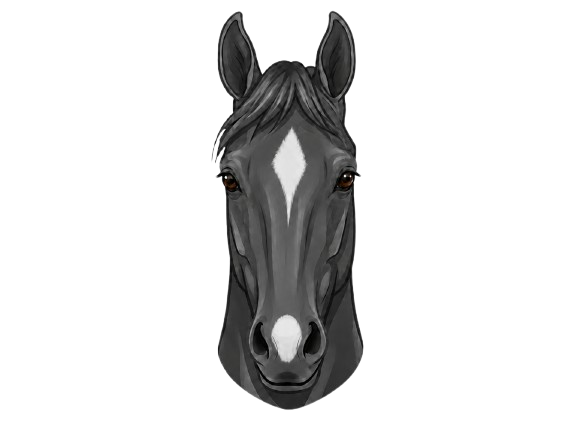
Face markings are one of the easiest ways to identify a horse. Learning to recognize face markings helps people describe horses, tell horses apart, and keep accurate records.
Every horse's face is unique. Some horses have large white markings, while others have small markings or no white markings at all. These markings help people recognize and identify individual horses.
Face markings are used in horse care, breed records, veterinary records, and everyday horse management. Knowing how to identify and describe them is an important horse knowledge skill.
💡 Did You Know
People have used face markings to identify horses for hundreds of years. Today, face markings are still recorded on registration papers, veterinary records, and other horse documents to help identify individual horses.
A clear description is much more useful than simply saying a horse has "a white mark on its face." Face markings help people identify horses in many different situations.
Many breed registries record a horse's face markings when the horse is registered. These markings become part of the horse's permanent record.
Veterinary records, health papers, and travel documents often include face markings to help confirm a horse's identity.
If a horse becomes lost or is separated from its owner, a clear description of its face markings can help people identify the correct horse.
At shows, fairs, and other events, face markings help match horses to their records and confirm that the correct horse is entered.
A face marking is any white area on a horse's face. Face markings happen when the skin in that area does not produce pigment, which is the substance that gives hair and skin their color.
Most face markings are present at birth and stay the same throughout the horse's life. This makes them useful for identification.
Pigment is what gives hair and skin their color. Where there is no pigment in the skin, the hair grows white, creating a face marking.