Why Different Riding Disciplines Exist
Different riding disciplines exist because horses were trained and used for specific jobs based on human needs, location, and purpose. A rider working cattle in open country needed different skills and equipment than a rider schooling precise movements in an arena or riding across varied terrain. These real-life needs shaped the riding traditions and competitions seen today.
💡 Did You Know
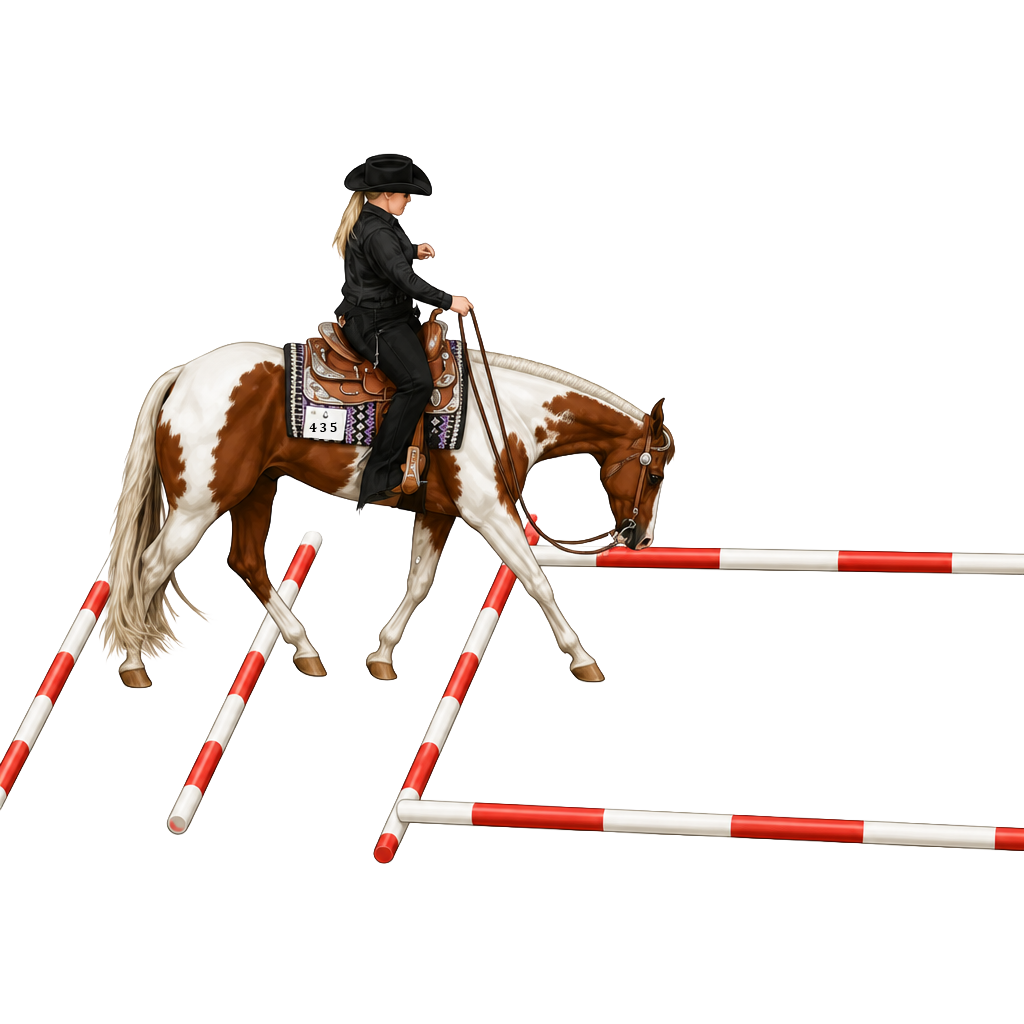
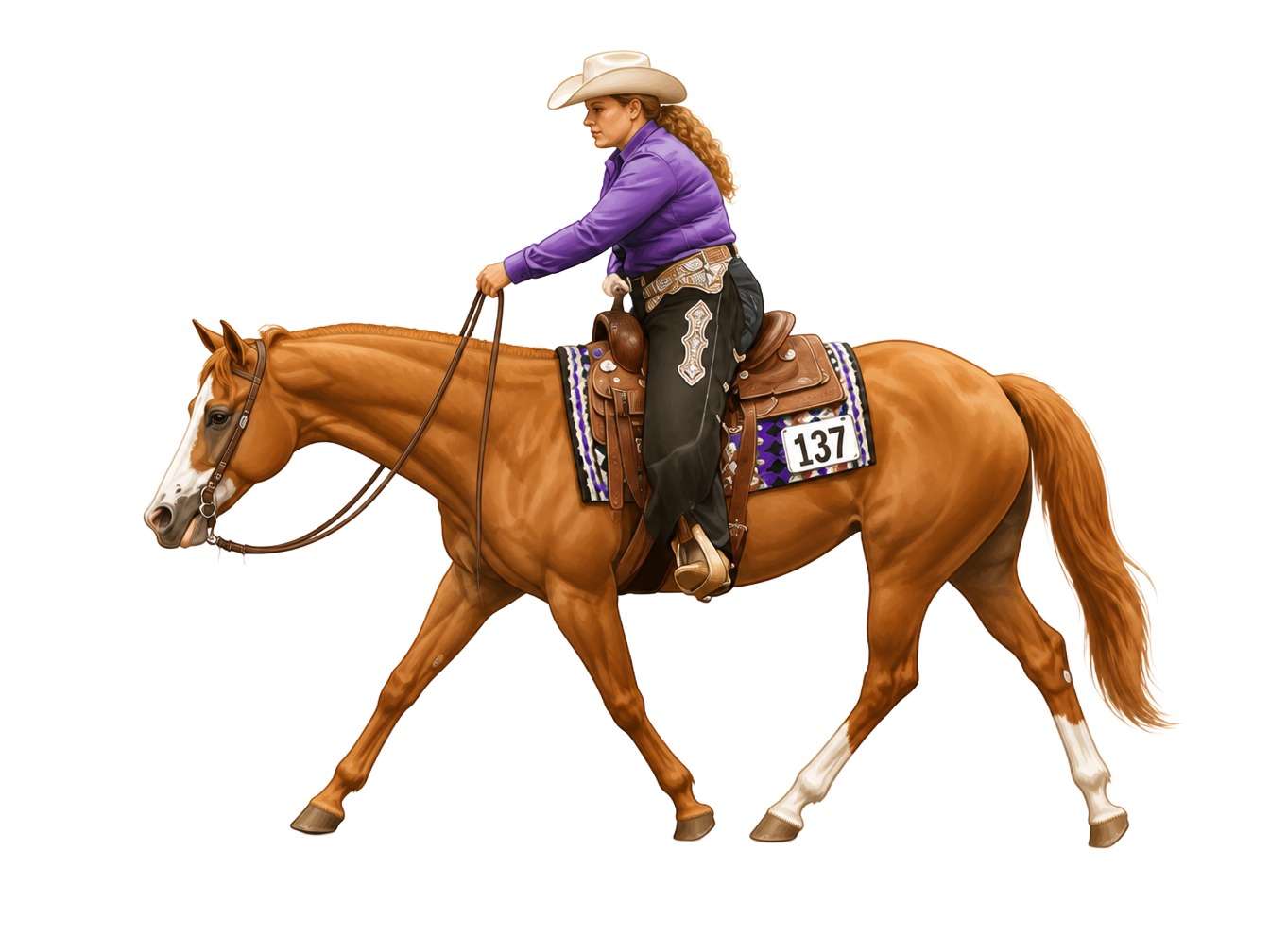
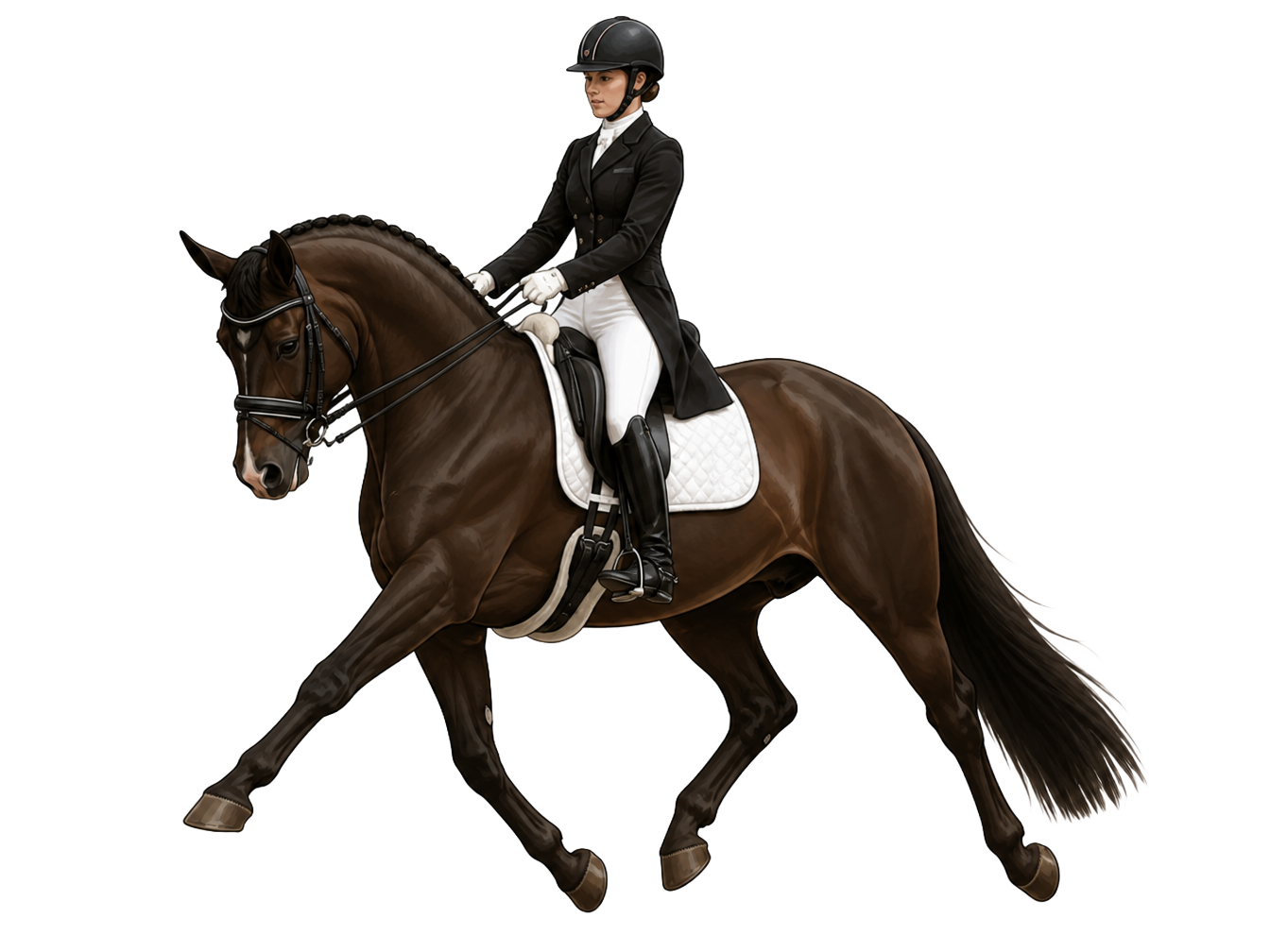
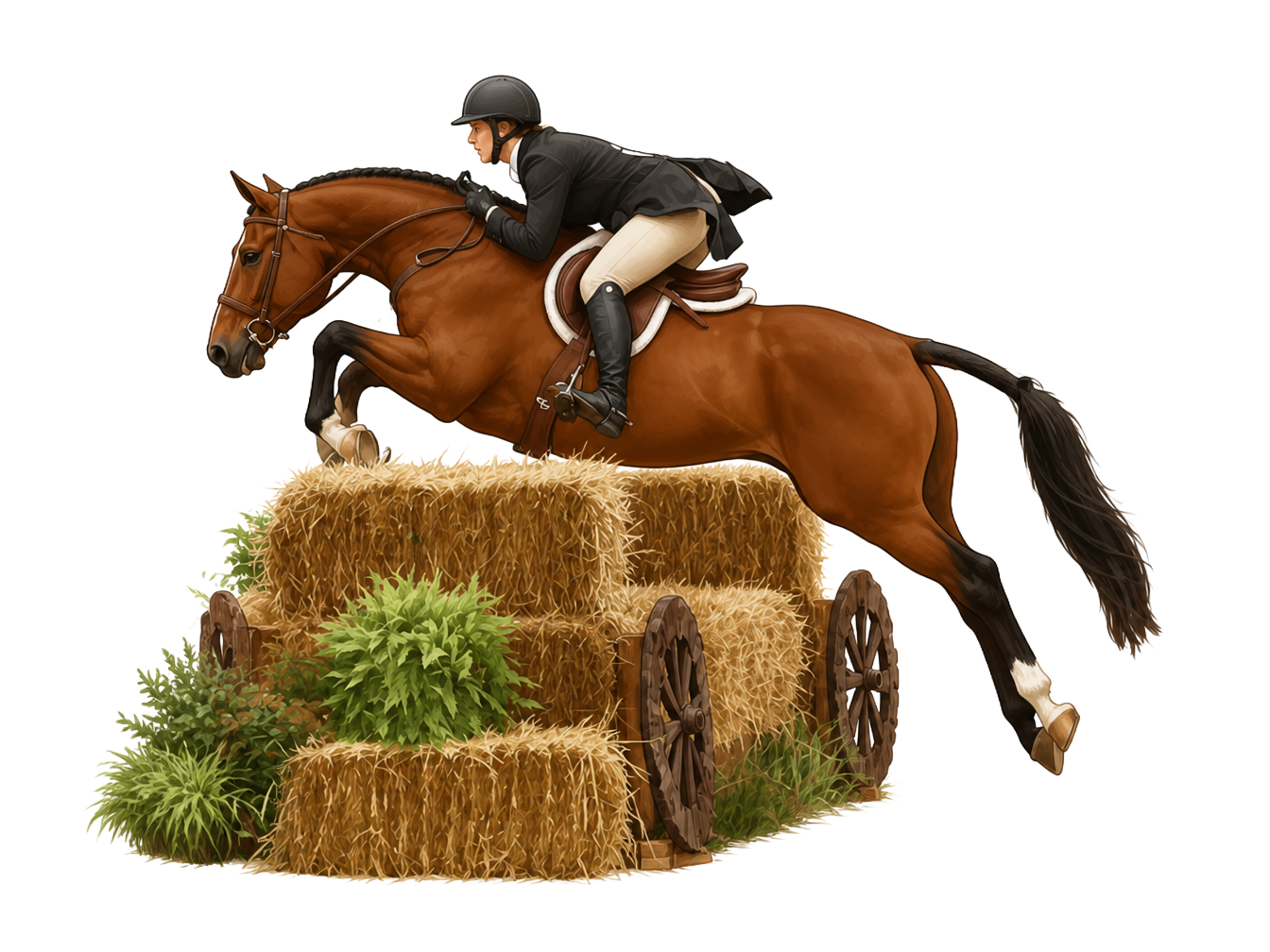
The split between Western and English riding in North America comes from two major traditions. Western riding developed from Spanish vaquero horsemanship brought through Mexico. English riding comes from British cavalry training and fox hunting traditions brought by European settlers. Today, both have become formal competitive disciplines.
What Shapes Riding Disciplines
Why Horses Were Used
The job a horse was trained for shaped how it was ridden and controlled. Ranch work, travel, hunting, military use, and sport all required different skills, speeds, and levels of precision.
Where Riding Took Place
The land a horse worked on affected how riders balanced and moved. Open fields, mountains, trails, arenas, and jumping courses all required different rider positions and levels of stability.
Tools That Support the Work
Tack developed to match the job. Saddles, reins, bits, and stirrups were designed to help riders communicate clearly, stay balanced, and support the horse’s movement.
How Riding Became a Sport
As riding traditions became organized into competitions, rules and judging systems helped define each discipline and shaped how they are practiced today.
Western and English Riding
Riding disciplines are often grouped into two main traditions: Western and English. Each has its own equipment, rider position, and way of communicating with the horse.
Western and English Riding
Western Riding Disciplines
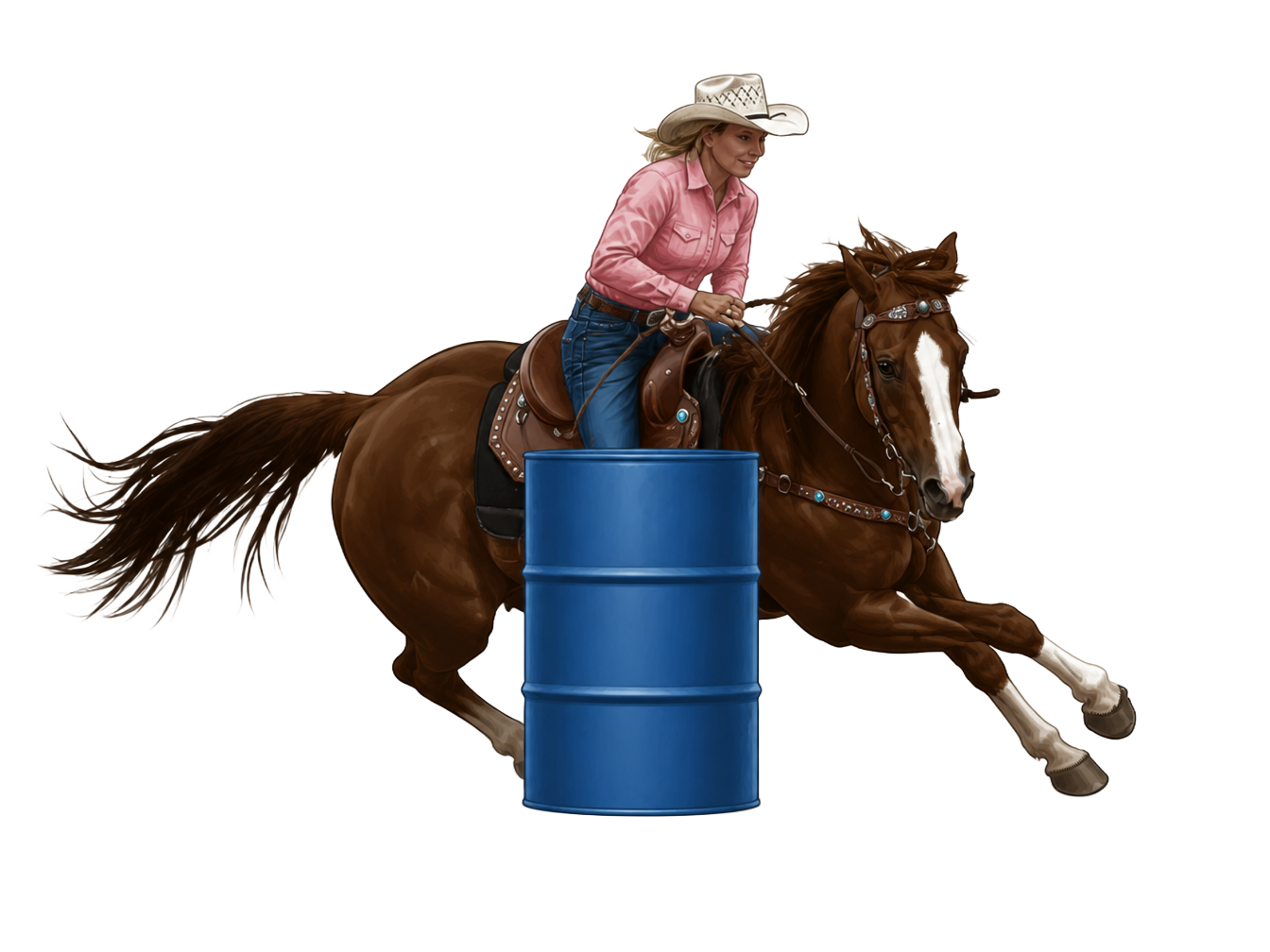
Western riding developed from ranch and cattle work. It focuses on steady control, long hours in the saddle, and efficient movement across open land.
English Riding Disciplines
English riding developed from European cavalry, hunting, and arena work. It focuses on balance, precision, and forward movement, including jumping and structured exercises.
Things to Remember
- Riding disciplines developed from real work and real needs.
- The job of the horse helped shape training and riding approach.
- The terrain influenced balance and rider position.
- Equipment evolved to support the work being done.
- Traditions and competition rules helped formalize each discipline.
- Western riding comes from ranch and cattle work, while English riding comes from cavalry and hunting traditions.
- Understanding these two foundations makes it easier to recognize and compare all riding disciplines.